ROOFING MATERIALS
Standing Seam Metal
A 40 to 60 year roof with hidden fasteners and almost zero maintenance. Higher up front — and you'll likely never reroof again.
Hidden fasteners, clean lines, and a lifespan that can outlast the time you own the home.
The Roof You Install Once
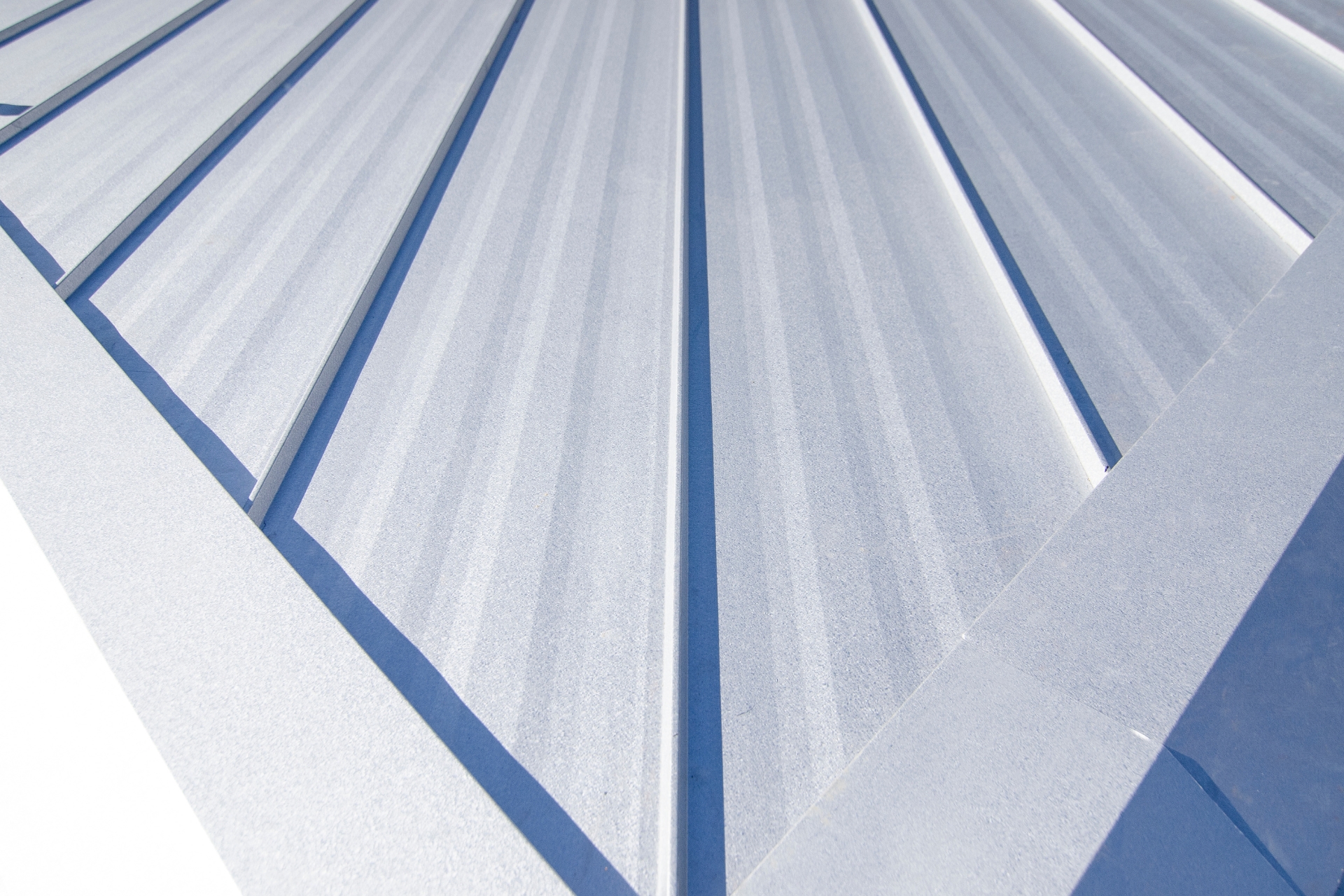
Standing seam is the premium end of what we install — and for the right home, it’s worth every dollar. The panels run vertically from ridge to eave and lock together with hidden fasteners, which is the key to why it lasts so long: there are no exposed screws to fail and leak.
With a 40 to 60 year lifespan and almost zero maintenance, a standing seam roof can genuinely be the last one a house ever needs. The upfront cost is higher than shingles, but spread across its lifespan it’s an exceptional value.
Why People Choose It
- Longevity — Decades of service, often outlasting the homeowner’s time in the house.
- Low maintenance — No granules to lose, no fasteners to reseat, very little to do.
- Clean, modern look — The crisp vertical lines suit both contemporary and classic homes.
- Performance — Sheds snow and water, stands up to wind, and is highly fire-resistant.
Is It Right for Your Home?
Standing seam shines on homes where you plan to stay, on steeper visible roofs, and anywhere long-term value matters more than the lowest upfront price. If you want the longevity of metal at a lower cost, corrugated metal is worth a look too. We’ll lay out the trade-offs honestly during your free inspection.
Built for West Virginia weather
Hidden Fasteners
The panels lock together with concealed clips, so there are no exposed screws or rubber washers to back out, crack, or leak over time.
Decades of Performance
A properly installed standing seam roof can last 40 to 60 years, often longer than you'll own the home — making it the last roof many houses ever need.
Sheds Snow and Resists Fire
Smooth metal panels shed snow and rain instead of trapping it, and metal won't catch fire from embers the way other materials can.
Compare other materials
Every roofing system we install, and how they stack up.
Common questions
How much does a new roof cost in West Virginia?
Most residential roof replacements in West Virginia cost between $8,000 and $15,000 depending on the size of your home, the materials you choose, and the condition of the existing roof. We offer free inspections and detailed estimates so you know exactly what you're paying for before any work starts. No surprises, no hidden fees.
How do I know if I need a roof replacement or just a repair?
If the damage is limited to a small area, like a few missing shingles or a minor leak, a repair is usually all you need. But if your roof is over 20 years old, has widespread damage, or you're seeing issues in multiple spots, a full replacement is going to save you more money in the long run. We'll always be honest about which option makes the most sense for your home.
How long does a roof replacement take?
Most residential roofs are completed in a single day. Larger or more complex jobs might take two days, but we don't drag things out. Our crews show up early, work efficiently, and clean up before we leave. You won't be dealing with a torn-up roof overnight unless the weather forces us to pause.
Does homeowners insurance cover roof replacement?
In most cases, yes. If the damage was caused by a storm, wind, hail, or a fallen tree, your homeowners insurance should cover all or most of the replacement. We work with insurance companies regularly and can help walk you through the claims process from start to finish. A lot of homeowners are surprised to find out they're fully covered.
What's the best roofing material for West Virginia weather?
Architectural shingles are the most popular choice for homes in West Virginia because they handle heavy rain, wind, and snow really well and they last 30 years or more. Standing seam metal roofing is another great option if you want something that lasts even longer with virtually no maintenance. We'll help you pick the right material based on your roof, your budget, and what matters most to you.
What's the difference between a roof overlay and a full tear-off?
A roof overlay means new shingles go right over the old ones. A full tear-off means we strip everything down to the deck and start fresh. Building code does allow overlays in some cases, but you can't stack more than two layers and you shouldn't overlay a roof that's worn out, soft, or water-damaged. Even when it's allowed, we usually recommend against it. Overlays hide bad decking, old leaks, and weak spots you can't see until it's too late. They can also limit or void certain manufacturer warranty coverage. A full tear-off lets us inspect the wood, fix any damage, and install everything the right way from the start. It costs a little more up front, but it gives you a better roof that's going to last a lot longer.
Do you offer a warranty on your roofing work?
Yes. Every roof we install comes with a workmanship warranty from us, plus the manufacturer's warranty on the materials. If something goes wrong because of our installation, we come back and fix it at no cost to you.
Can you replace my roof in one day?
In most cases, yes. The majority of our residential roof replacements are completed in a single day. We bring a full crew, show up ready to work, and don't leave until the job is done and the yard is clean. Many of our customers tell us they came home from work to a brand new roof with no trace we were ever there.