Most homeowners don’t think about roof ventilation until something goes wrong. But poor ventilation is one of the most common — and most costly — problems we find during roof inspections in West Virginia. It can shorten your roof’s lifespan by years, drive up your energy bills, and create conditions for mold and structural damage inside your home.
How Roof Ventilation Is Supposed to Work
A properly ventilated roof creates a continuous airflow through the attic space. Cool outside air enters through intake vents at the soffits (the underside of your roof’s overhang) and exits through exhaust vents near the ridge at the peak. This constant exchange keeps the attic close to outside temperature year-round.
When this system is blocked, undersized, or missing entirely, heat and moisture get trapped — and that’s when problems start.
What Poor Ventilation Does to Your Roof
1. Premature Shingle Failure
In summer, a poorly ventilated attic can reach 150°F or higher. That extreme heat bakes your shingles from below while the sun bakes them from above. Shingles exposed to this kind of heat age faster, become brittle, and start to crack and curl years before they should. A 30-year shingle can lose a decade of lifespan due to poor ventilation alone — and most manufacturers will void the warranty if ventilation doesn’t meet their specs.
2. Ice Dams in Winter
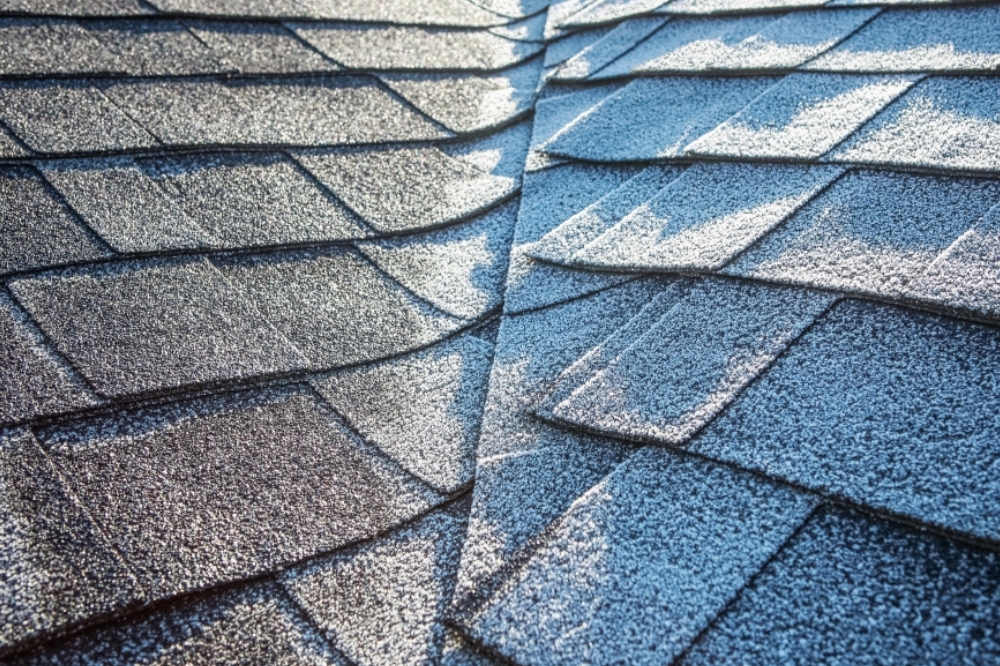
West Virginia winters bring heavy snow, and poor ventilation makes that snow a real problem. When warm attic air escapes through the roof deck, it melts snow on the upper part of the roof. That water runs down and refreezes at the cold eaves, forming an ice dam. Water then backs up behind the dam, seeps under shingles, and leaks into your home. Ice dams cause water damage to ceilings, walls, insulation, and in severe cases, structural framing.
3. Moisture and Mold in the Attic
Every home produces moisture — through cooking, bathing, breathing, and HVAC systems. In winter, warm moist air rises into the attic. Without adequate ventilation to carry that moisture out, it condenses on the cold roof deck and framing. Over time, this leads to wood rot, mold growth, and compromised insulation. Mold in the attic is a serious health concern and an expensive remediation job.
4. Higher Energy Bills
A superheated attic in summer forces your AC to work harder. Studies show that a properly ventilated attic can reduce cooling costs significantly in warm months. For West Virginia homeowners dealing with humid summers, this is a real and measurable savings.
"We find ventilation problems on roughly half the roofs we inspect. Sometimes it's blocked soffit vents, sometimes there's no ridge vent at all. It's one of those things that's easy to overlook but catches up with you fast."
Signs Your Roof May Be Poorly Ventilated
- Your attic is noticeably hot in summer or cold in winter
- You’ve had ice dams form along the eaves in winter
- Your energy bills are higher than they should be
- You notice moisture stains, condensation, or frost on attic surfaces
- Shingles are curling, cracking, or aging faster than expected
- You can see daylight through soffit vents but they feel blocked or restricted
How to Fix It
Ventilation problems are almost always fixable. Common solutions include:
- Adding or clearing soffit vents to allow fresh air intake at the eaves
- Installing a ridge vent along the peak for continuous exhaust
- Adding attic baffles to prevent insulation from blocking soffit vents
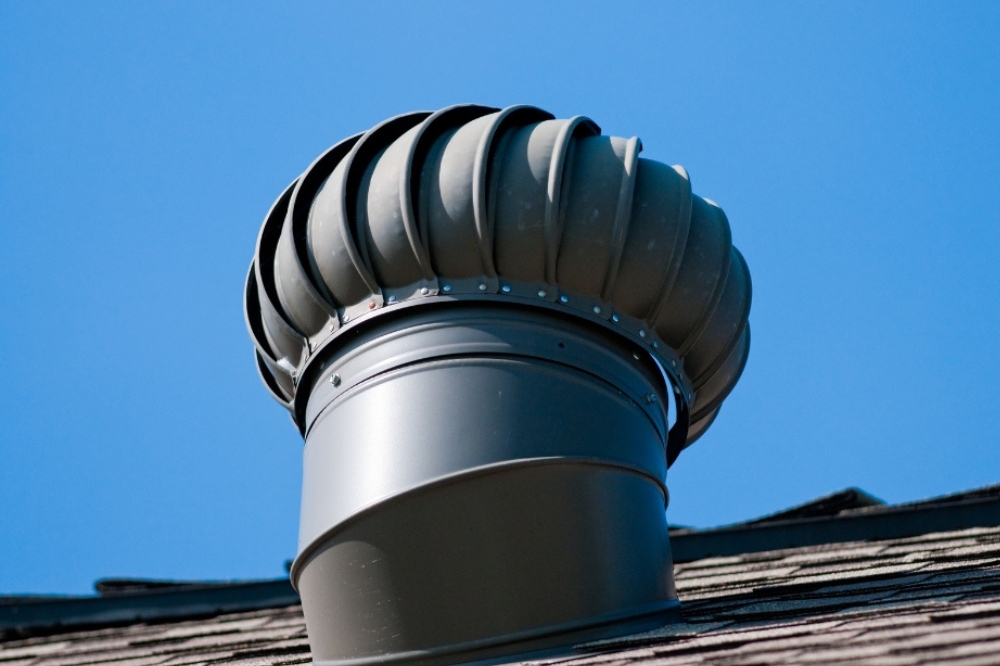
- Installing additional exhaust vents if the attic square footage isn’t being served by enough ventilation
The right solution depends on your home’s specific layout, attic size, and existing ventilation. There’s no one-size-fits-all fix, which is why an inspection matters.
Don’t Wait Until You See Damage
The frustrating thing about poor ventilation is that the damage is often invisible until it’s already significant. By the time you see water stains on the ceiling or notice shingles failing prematurely, you may already be looking at thousands of dollars in repairs.
A quick inspection can identify ventilation issues before they turn into major problems. TRULINE checks ventilation on every roof inspection we do — it’s part of giving you the complete picture of your roof’s condition.
Not sure what your roof needs?
Schedule a free inspection and we'll give you an honest assessment — no pressure, no upselling.
Schedule a free inspectionKeep reading
More roofing tips from the TRULINE team.