When it’s time for a new roof, one of the first questions homeowners ask us is whether they really need to strip everything off or if they can just shingle right over the old layer. It’s a fair question — tearing off an old roof costs more and takes longer. But the answer depends on a few key factors, and getting it wrong can cost you a lot more down the road.
What Is Layering Over (Re-Roofing)?
Re-roofing, or layering over, means installing new shingles directly on top of your existing ones without removing them first. It’s faster, less labor-intensive, and cheaper upfront. Some contractors push this option hard because it saves them time. But it isn’t always the right choice.
Most building codes in West Virginia allow up to two layers of shingles on a residential roof. If you already have two layers, a tear-off is required by code before any new roofing can be installed.
When Layering Over Makes Sense
There are situations where a re-roof is a reasonable option:
- Your existing roof has only one layer of shingles
- The decking underneath is solid with no rot, soft spots, or moisture damage
- The existing shingles are lying flat — no curling, buckling, or major lifting
- You’re working with a tight budget and the roof has a few good years underneath it
In these cases, layering over can extend your roof’s life and delay a full replacement. But it’s still a short-term solution.
Why We Usually Recommend a Full Tear-Off
At TRULINE, we recommend tearing off the old roof in most situations. Here’s why:
You Can Inspect the Deck
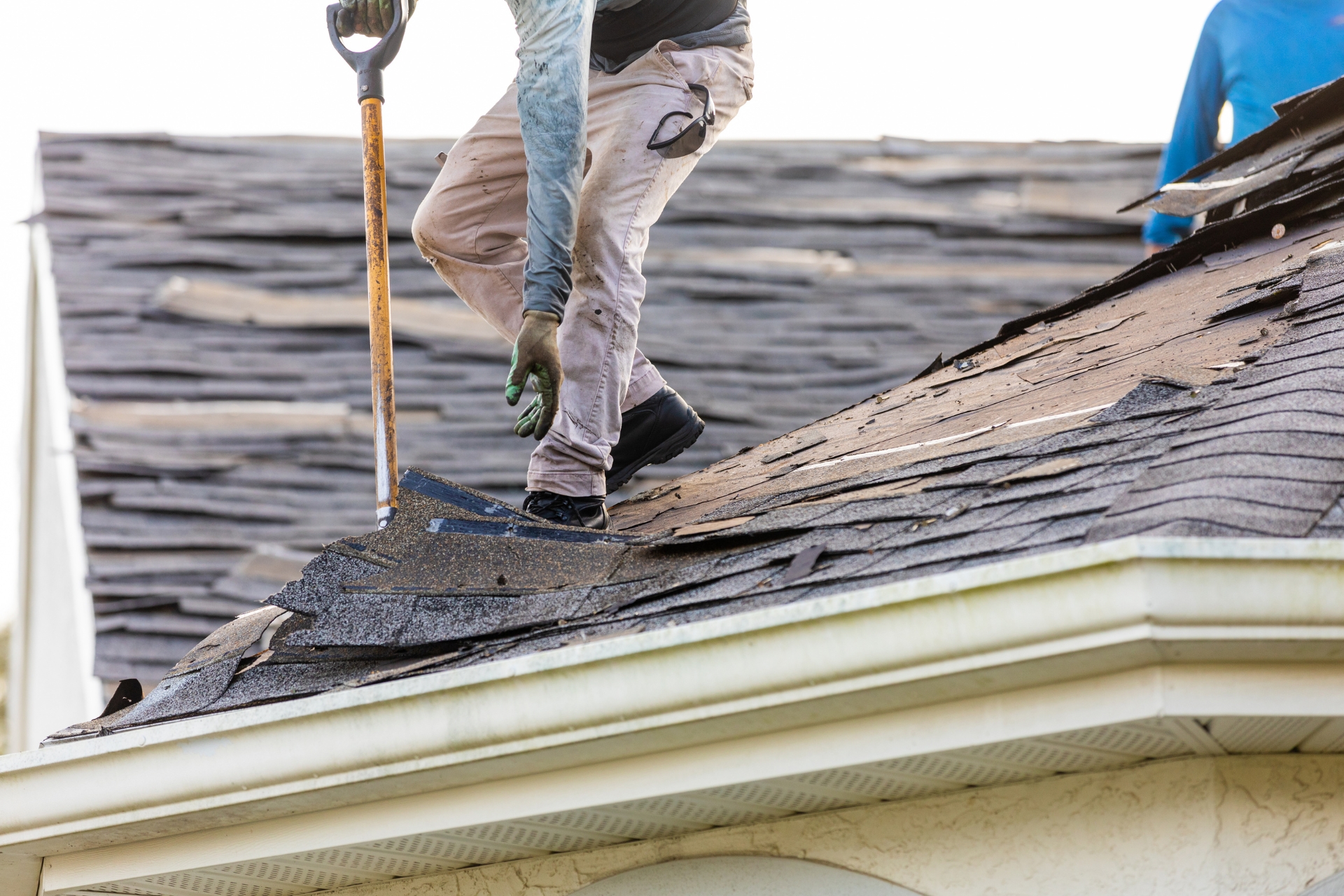
When we tear off the old shingles, we can see exactly what’s going on underneath. Rotted or damaged decking is a common problem in West Virginia homes — especially on older houses that have dealt with ice dams, heavy snowfall, and high humidity over the years. If you cover up a damaged deck with new shingles, you’re setting yourself up for leaks and structural problems later.
New Shingles Lay Flatter and Last Longer
Shingles installed over an existing layer don’t lay as flat. Bumps, ridges, and uneven surfaces underneath affect how the new shingles seal. This can reduce your warranty coverage and shorten the effective life of your new roof.
Double Layers Add Weight
Two layers of shingles add significant weight to your roof structure. Most homes are built to handle this, but older homes or those with any structural concerns may not be. The extra weight can also accelerate wear on your attic framing over time.
It Costs More When You Finally Do It
If you layer over now and the roof fails in 8 years, you’ll pay for two tear-offs instead of one — plus the cost of any damage that developed under the layers. The savings today can easily become a bigger bill tomorrow.
"We've seen plenty of roofs where a homeowner chose the cheaper re-roof option and then called us five years later with a leak that turned into a $4,000 decking repair. A full tear-off upfront almost always pays for itself."
The Bottom Line
If your roof has only one layer, the deck is in good shape, and you’re looking for a cost-effective short-term solution, layering over may be acceptable. But if there’s any doubt about the condition of the deck — or if you want the longest-lasting result — a full tear-off is the way to go.
The best way to know for sure is to have a professional take a look. TRULINE offers free roof inspections throughout southern West Virginia. We’ll tell you exactly what’s underneath and what your best options are — no pressure, no upselling.
Not sure what your roof needs?
Schedule a free inspection and we'll give you an honest assessment — no pressure, no upselling.
Schedule a free inspectionKeep reading
More roofing tips from the TRULINE team.